🏆 Expert Verdict & Overview
Play Piano - Kids Music Games positions itself as a foundational entry point for early childhood musical education within the competitive mobile music landscape. As a Senior Analyst, I find that the app successfully avoids the "over-stimulation" trap common in kids' software, opting instead for a structured yet creative sandbox. It serves not just as a toy, but as a developmental tool that bridges the gap between passive audio consumption and active rhythmic creation, making it a standout choice for parents seeking a safe, ad-free environment for preschoolers to explore acoustics.
🔍 Key Features Breakdown
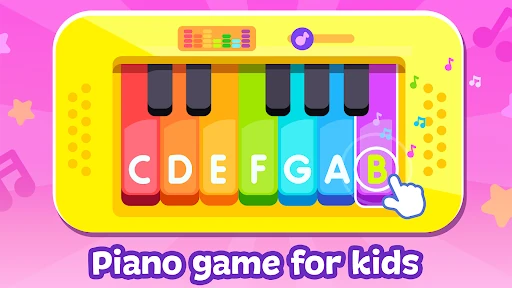
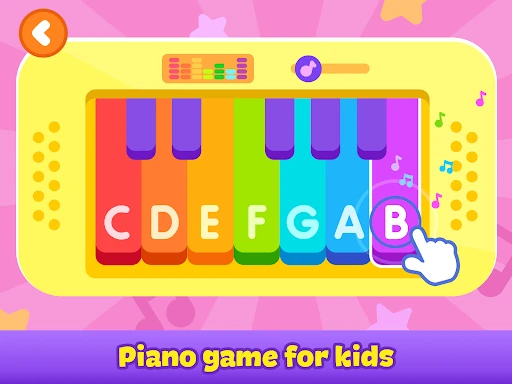
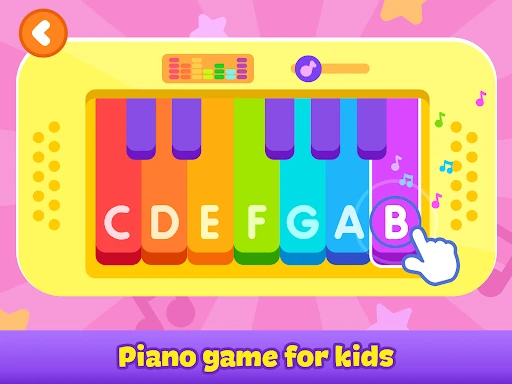
- Adaptive 12-Key Piano: Specifically engineered for smaller hands, this simplified layout reduces cognitive load while introducing the fundamental musical alphabet (A through G).
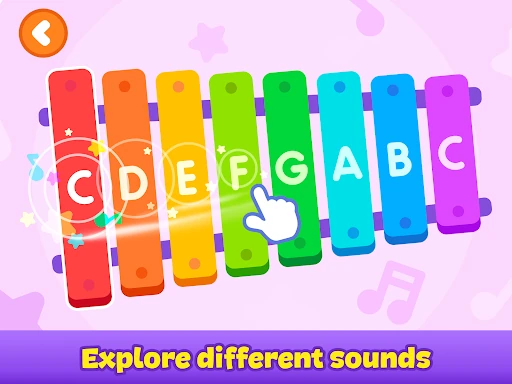
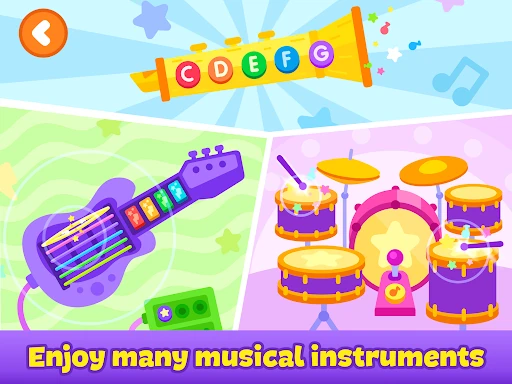
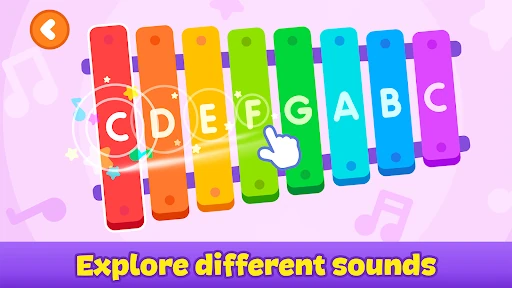
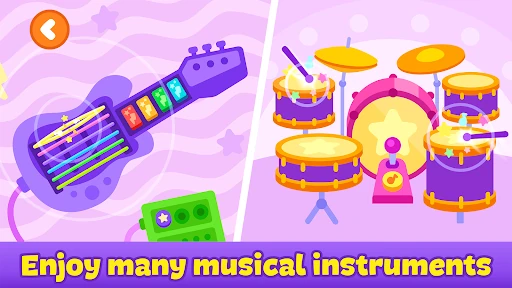
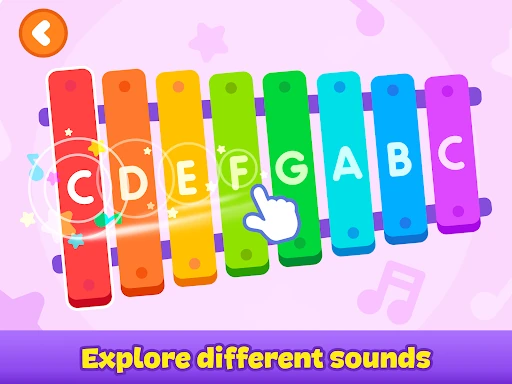
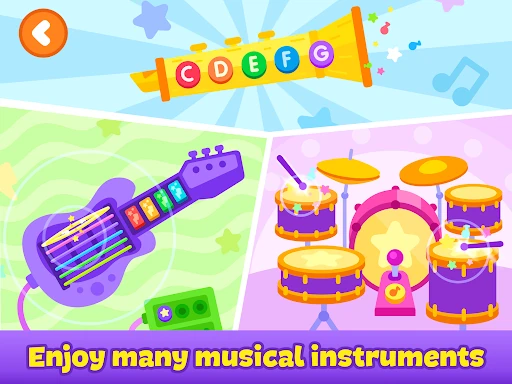
- Multi-Instrument Suite: By including acoustic/electric guitars, drums, and xylophones, the app solves the problem of "instrument fatigue" by allowing children to explore various timbres and sound-production methods.
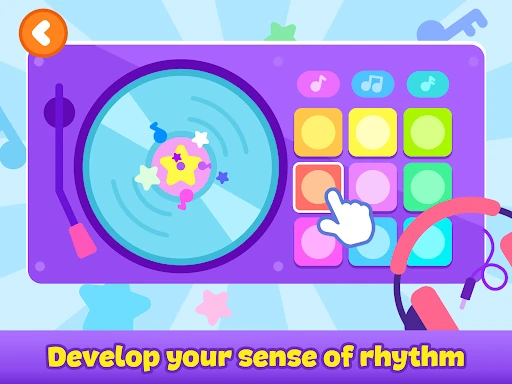
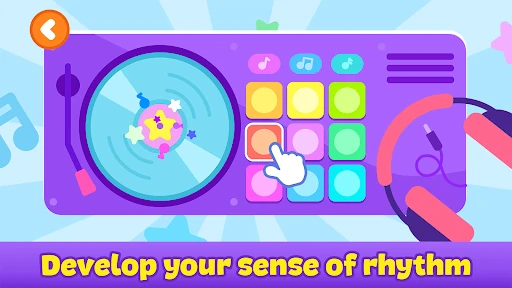
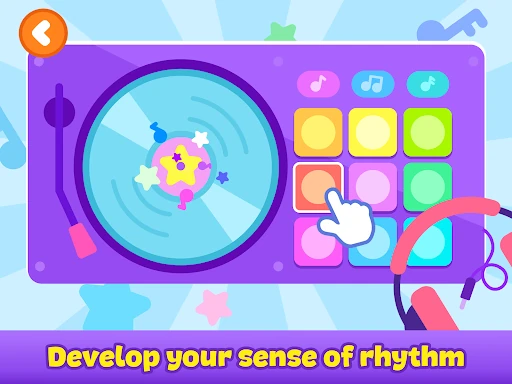
- Interactive DJ Mixer: This feature introduces the complex concept of sequencing and rhythm, helping kids understand how different layers of sound interact in a controlled, rhythmic environment.
- Dual Sound Engine: The ability to toggle between classical piano and synthesizer modes helps young learners distinguish between acoustic and electronic sound profiles, sparking early curiosity in sound design.
🎨 User Experience & Design
The UI design follows a high-contrast, "fat-finger" friendly philosophy essential for the Music category. Every element is oversized and responsive, ensuring that even the most imprecise taps yield an immediate auditory reward—a critical factor in maintaining the engagement of toddlers. The navigation is refreshingly linear; there are no hidden menus or complex settings that would require adult intervention. Visually, the aesthetic is bright and welcoming without being distracting, allowing the musical notes to remain the primary focus of the experience.
⚖️ Pros & Cons Analysis
- ✅ The Good: Strictly ad-free experience, which is paramount for child safety and uninterrupted learning.
- ✅ The Good: High-quality sound sampling that provides a realistic auditory experience compared to synthesized "midi" sounds.
- ❌ The Bad: The 12-key limitation, while great for beginners, may eventually frustrate older children looking to play more complex melodies.
- ❌ The Bad: Lack of a "guided mode" or "follow-the-lights" system for teaching specific songs from start to finish.
🛠️ Room for Improvement
The developers could significantly enhance the app's longevity by adding a simple recording and playback feature, allowing children to listen back to their creations. Furthermore, introducing a "guided play" module that uses visual cues to teach classic nursery rhymes would add a much-needed pedagogical layer to the existing sandbox gameplay.
🏁 Final Conclusion & Recommendation
Play Piano - Kids Music Games is highly recommended for parents of children aged 2 to 5. It is an ideal "first instrument" app that prioritizes creativity and motor skill development over rigid curriculum. While it won't replace a real piano, it is a perfect introductory tool for sparking a lifelong interest in music and rhythm in a safe, digital environment.