Advertisement
Click to download now, finish the installation quickly, and directly unlock the "all-round experience"
Advertisement
Screenshots
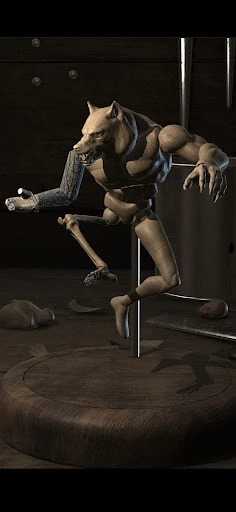
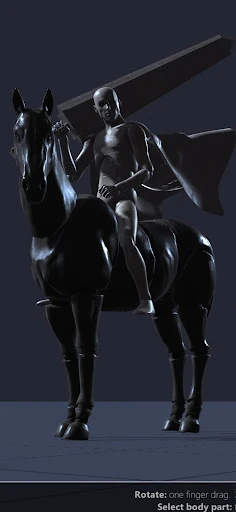
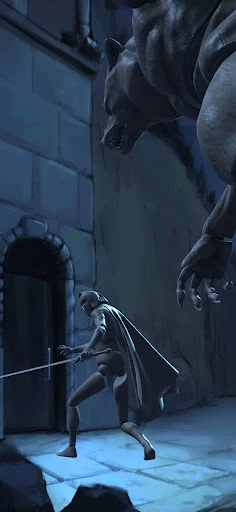
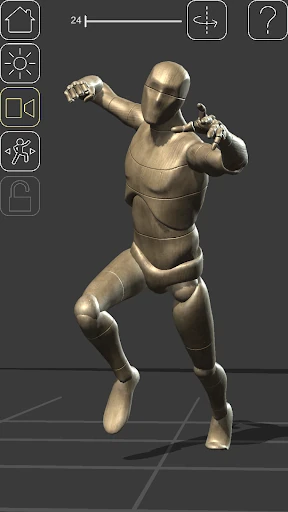
Click to download now, finish the installation quickly, and directly unlock the "all-round experience"
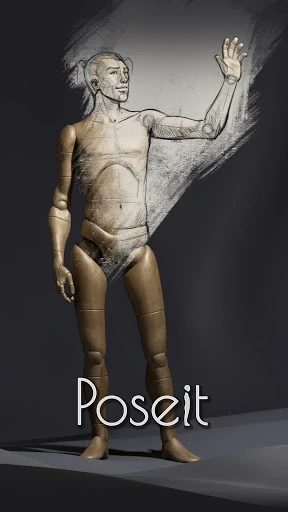
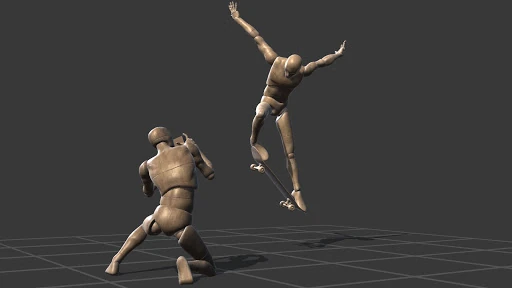
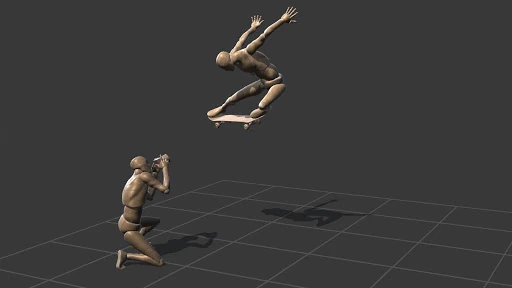
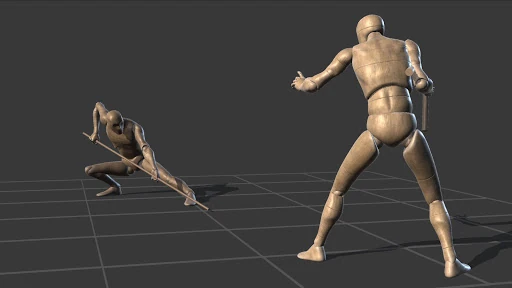
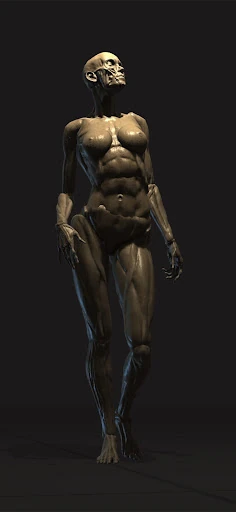
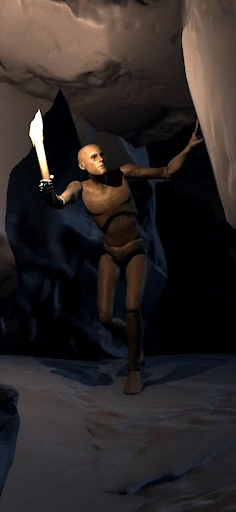
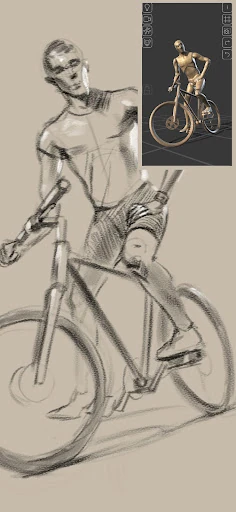
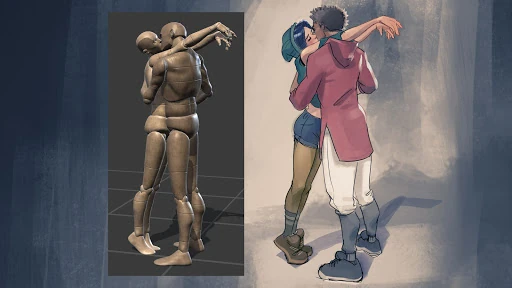
Poseit stands out as a sophisticated, modern evolution of the classic wooden drawing mannequin, specifically reimagined for the digital era. In the crowded Art & Design landscape, it distinguishes itself by stripping away unnecessary anatomical complexity in favor of a "generalized" form that allows artists to map any character type onto its frame. It is a purpose-built utility that prioritizes workflow efficiency over aesthetic fluff, making it a professional-grade reference tool for illustrators who need to solve complex spatial problems quickly. Developed originally as a personal tool by an artist, it carries a level of practical intuition often missing from corporate-designed software.
The interface of Poseit is refreshingly utilitarian, adhering to the principle that the UI should never overshadow the workspace. The design focuses on maximizing the canvas, with controls that are context-sensitive to reduce screen clutter. For an app in the Art & Design category, the UX is exceptionally smooth; the transition between selecting limbs and manipulating them in 3D space is fluid, minimizing the friction typically associated with 3D posing tools on touch-based devices. It successfully bridges the gap between a high-end 3D suite and a streamlined mobile utility.
To further elevate the tool, the developer could implement dynamic lighting controls, such as a moveable light source with adjustable intensity, to help artists study shadows and values. Additionally, adding a "preset library" of common poses (standing, sitting, running) would provide a faster starting point for beginners. Finally, expanding the variety of body proportions—such as different heights, weights, or age-related frames—would make the app even more indispensable for character designers.
Poseit is an essential tool for concept artists, illustrators, and students of anatomy who find traditional wooden mannequins too limiting. It is particularly well-suited for artists who work on the go and need a reliable, fast way to check foreshortening and complex angles. If you are looking to strengthen your human figure drawing skills and need a versatile, digital reference that moves as fast as your imagination, Poseit is a top-tier recommendation.