Advertisement
Click to download now, finish the installation quickly, and directly unlock the "all-round experience"
Advertisement
Screenshots
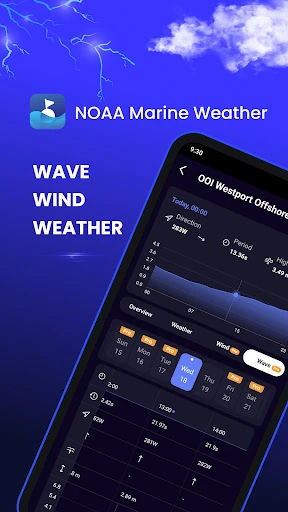
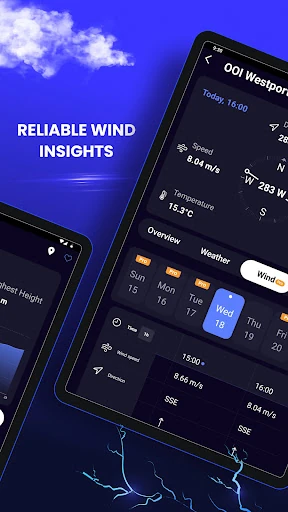
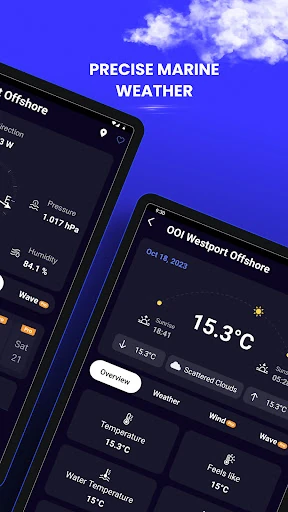
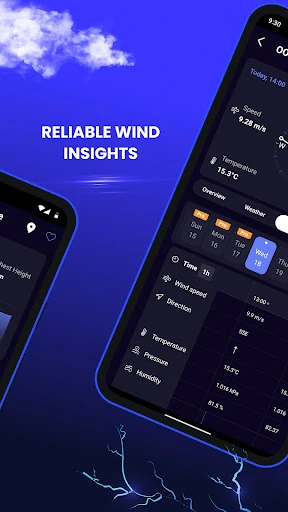
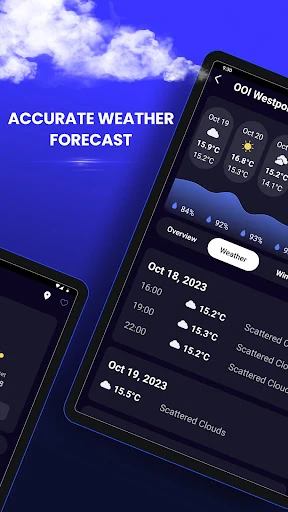
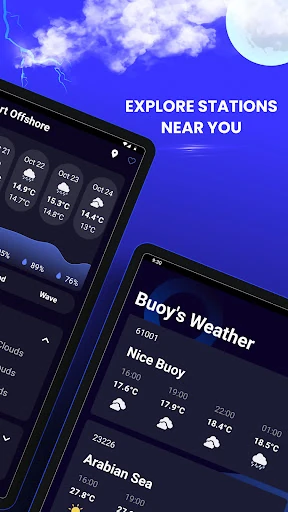
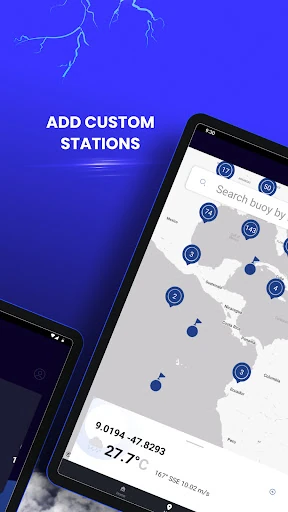
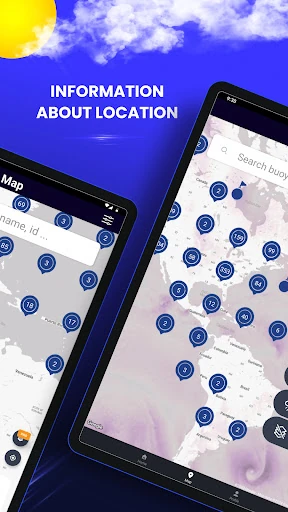
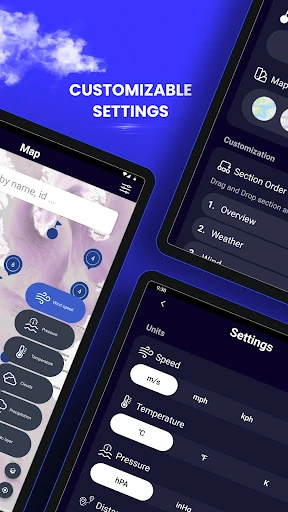
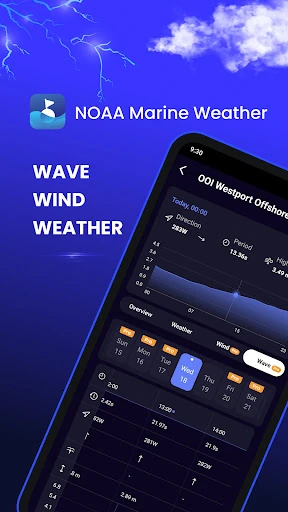
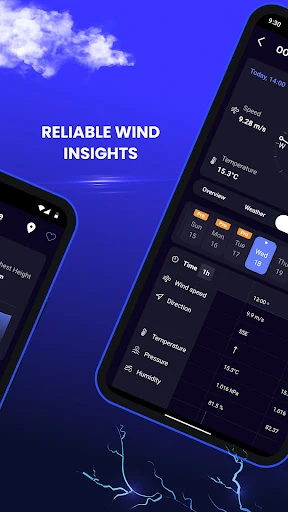
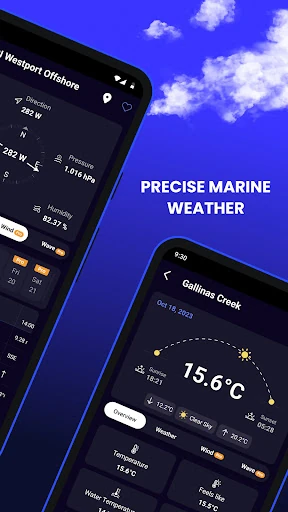
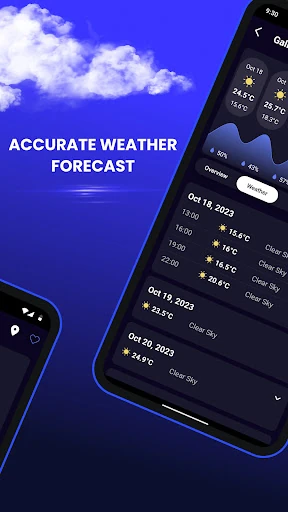
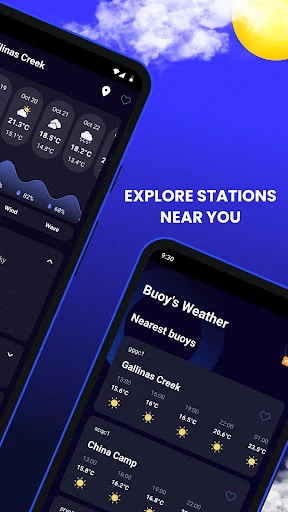
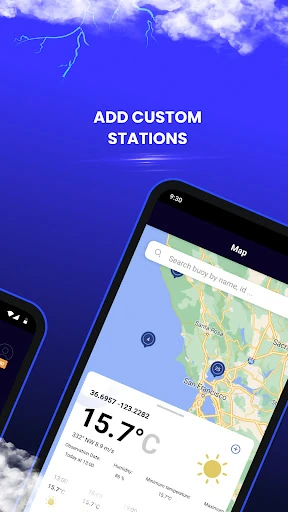
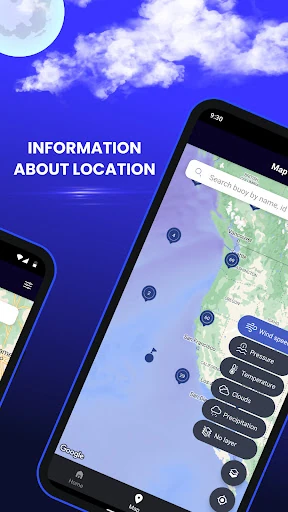
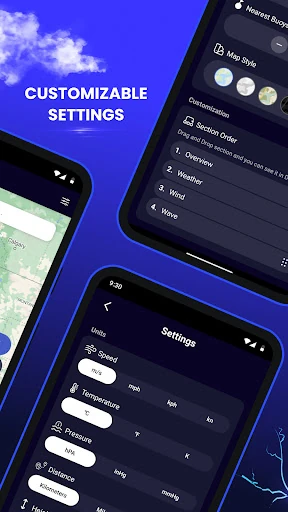
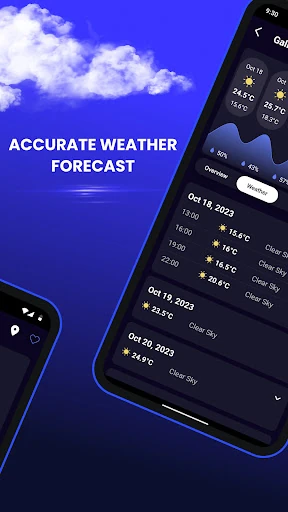
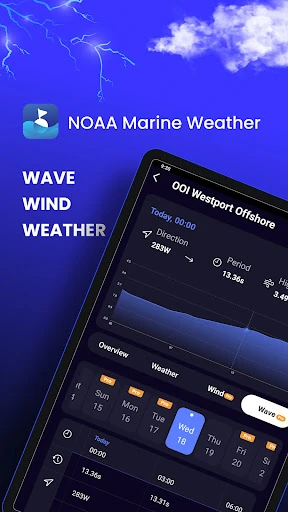
Click to download now, finish the installation quickly, and directly unlock the "all-round experience"
NOAA Marine Weather positions itself as a specialized utility within the crowded weather landscape, prioritizing high-stakes atmospheric data over simple aesthetic appeal. By integrating real-time National Oceanic and Atmospheric Administration (NOAA) data streams, the app serves as a critical bridge between general consumer forecasts and professional-grade maritime safety tools. It is designed to cater to a demographic that requires more than just a temperature reading, offering robust storm-tracking and lightning-monitoring capabilities that are essential for both sea-bound professionals and outdoor enthusiasts.
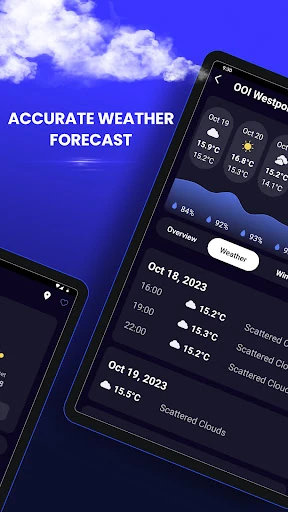
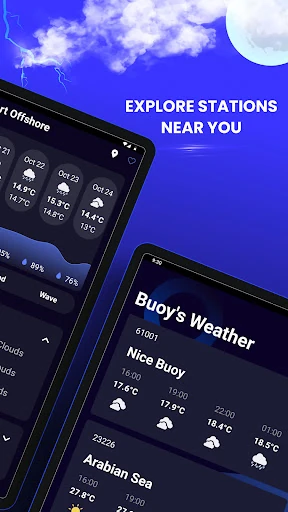
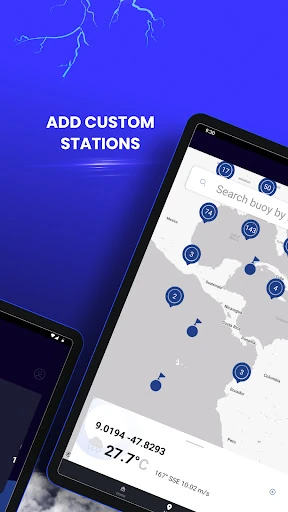
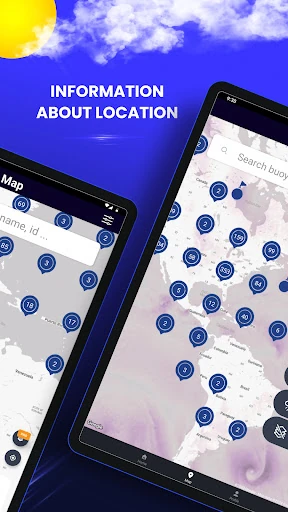
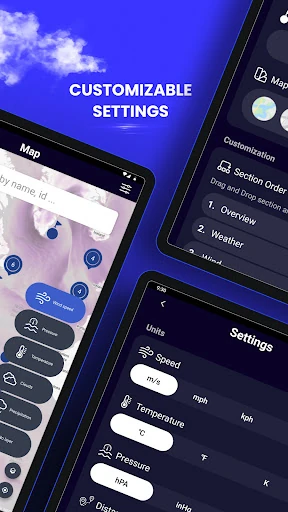
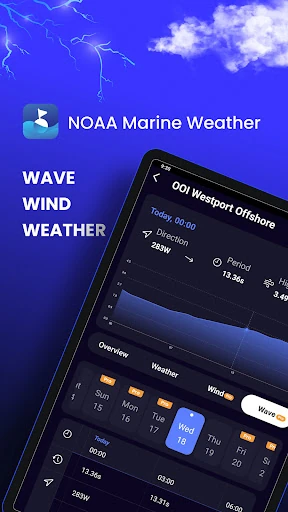
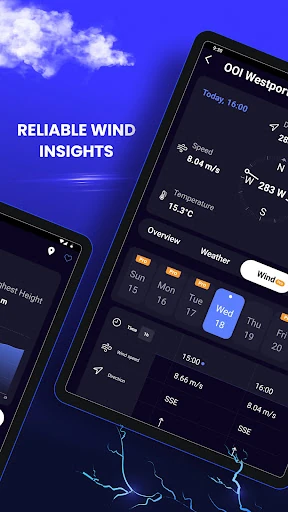
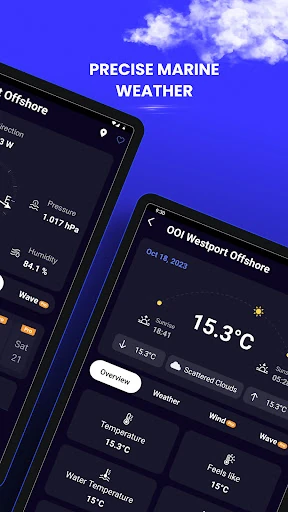
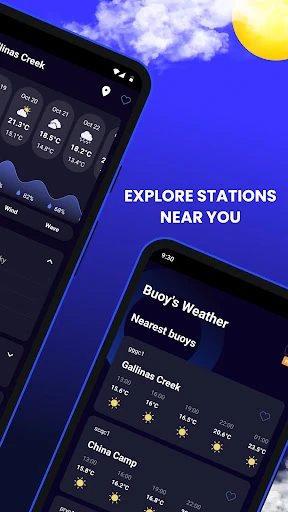
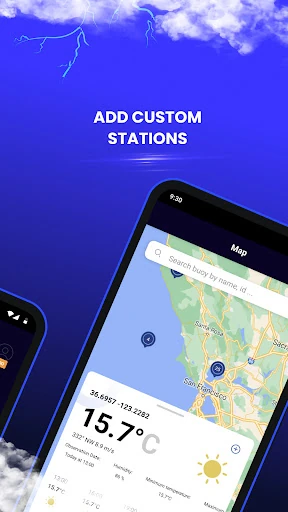
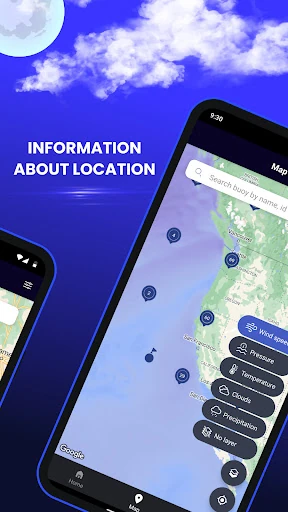
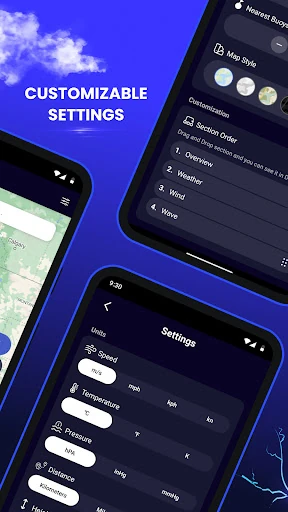
The user experience of NOAA Marine Weather is built around the principle of data density and rapid accessibility. In the weather category, users often demand "at-a-glance" information, and this app delivers by utilizing visual diagrams and interactive maps rather than long-form descriptions. The UI is functional and utilitarian, designed to be navigated in outdoor environments where clarity is paramount. While it may lack the polished "glass" aesthetics of mainstream consumer weather apps, its layout focuses on reducing the friction between a user opening the app and finding life-saving storm data.
To further elevate the user experience, the developers should consider implementing an offline caching mode for marine charts and basic forecasts, as cellular connectivity is often intermittent at sea. Additionally, refining the "Thunderbolt" tracking terminology to more standard meteorological labels would improve professional credibility. A UI refresh that incorporates modern gesture-based navigation and a high-contrast "Dark Mode" specifically for night-time navigation would also be a significant benefit for its core maritime audience.
NOAA Marine Weather is a robust, safety-first application tailored specifically for sailors, coastal residents, and serious outdoor adventurers. It is not merely a "temperature checker" but a comprehensive monitoring hub for severe atmospheric conditions. We highly recommend this app for users who live or work in storm-prone areas and require real-time, data-driven insights to protect their property and person. It is the definitive "best friend" for any marine professional seeking to navigate the unpredictable nature of the elements.