Advertisement
Click to download now, finish the installation quickly, and directly unlock the "all-round experience"
Advertisement
Screenshots
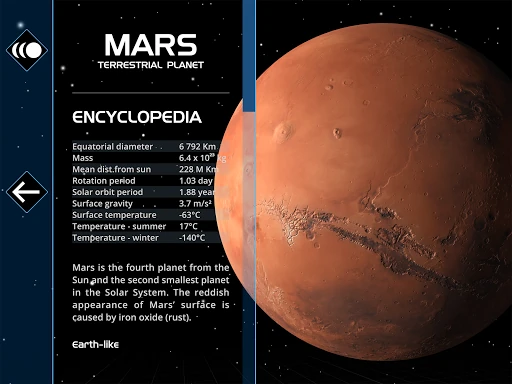
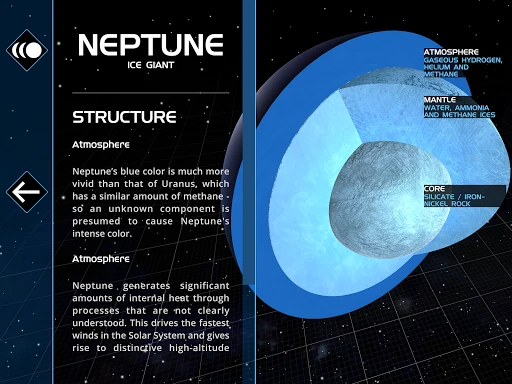
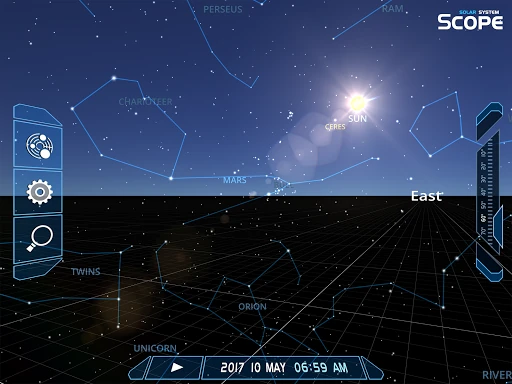
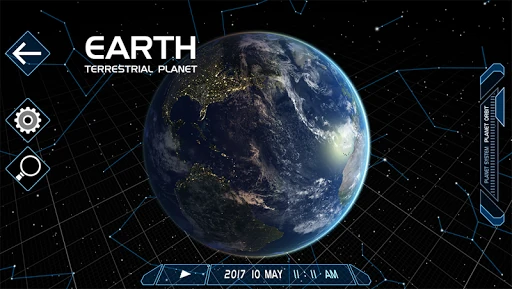
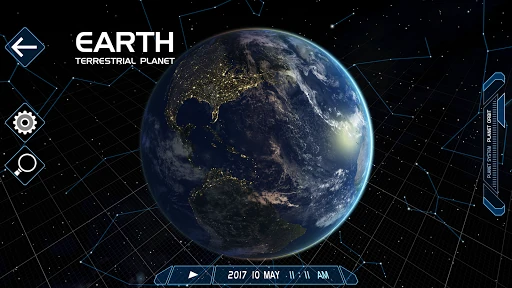
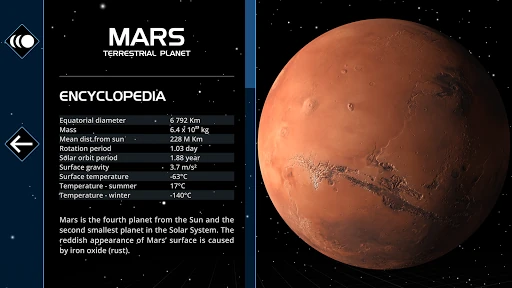
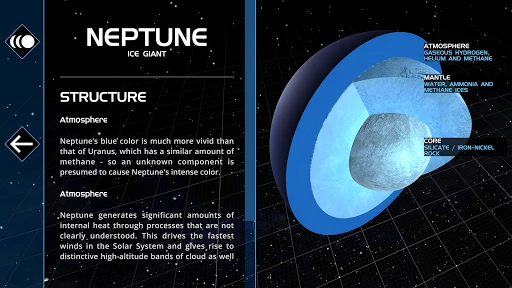
Click to download now, finish the installation quickly, and directly unlock the "all-round experience"
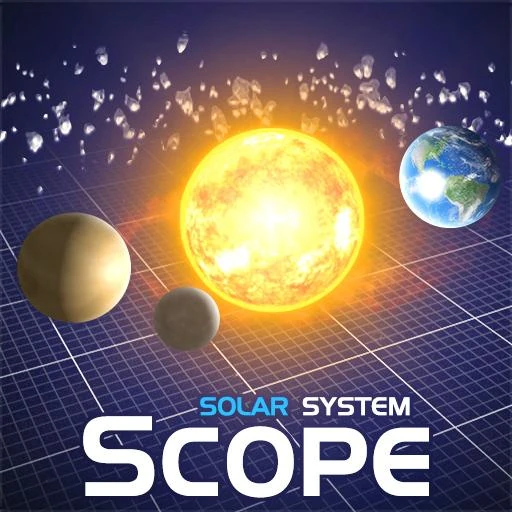
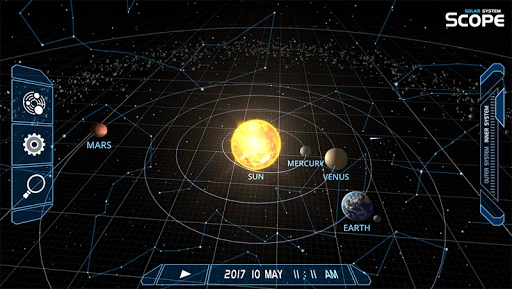
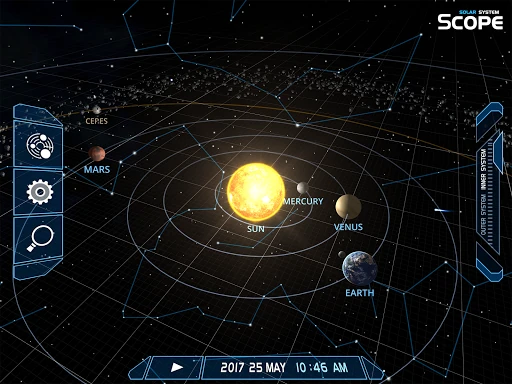
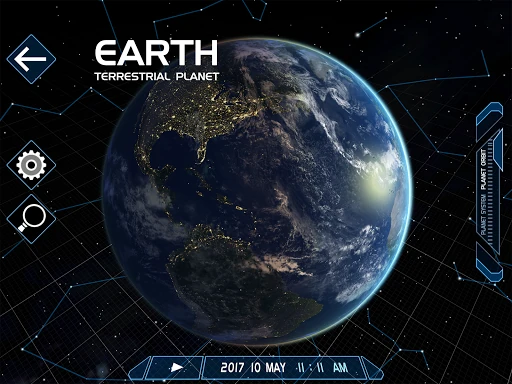
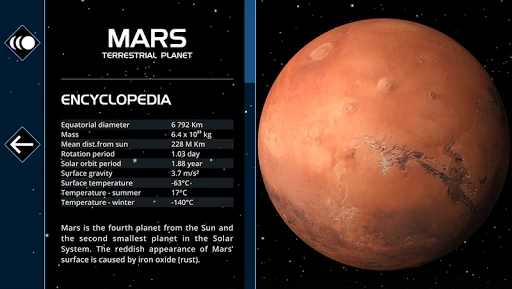
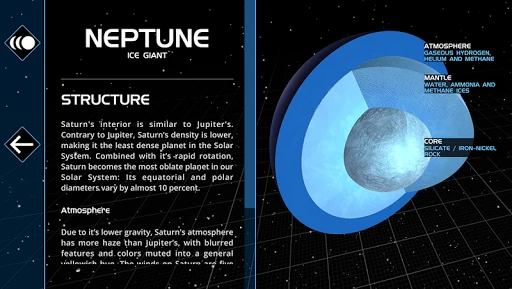
Solar System Scope stands as a premier interactive simulation in the mobile education landscape, bridging the gap between complex astronomical data and accessible digital exploration. It functions not merely as a reference tool but as a high-fidelity "Space Playground" that democratizes celestial science. By leveraging actual NASA orbital parameters and high-resolution spacecraft imagery, the app provides an authoritative yet intuitive platform that serves both the curious child and the serious space enthusiast. In a crowded market of educational apps, Solar System Scope distinguishes itself through its commitment to scientific accuracy paired with an immersive, game-like UI.
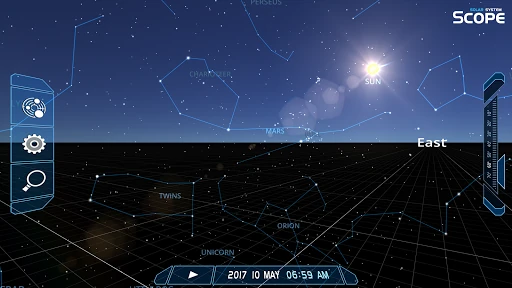
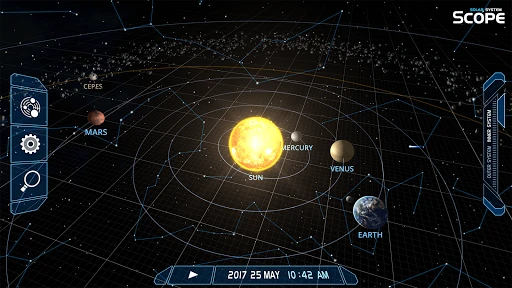
The user experience is centered around the concept of a "Space Playground," emphasizing tactile exploration over menu-heavy navigation. The interface is remarkably scalable; it remains simple enough for children as young as four to navigate while offering advanced overlays—such as ecliptic and equatorial grids—that cater to seasoned amateur astronomers. The visual design is the app's strongest asset, utilizing dark aesthetics and high-contrast 3D models to replicate the vacuum of space, ensuring that the educational content feels both modern and professional.
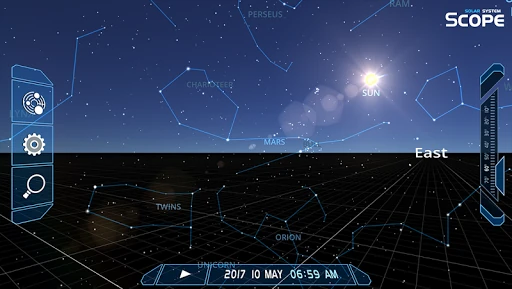
To further enhance its educational utility, the app could introduce guided "missions" or curated tours that narrate the history of specific space missions like the Voyager or Perseverance paths. Additionally, while the solar system is meticulously detailed, expanding the scope to include more deep-sky objects or neighboring star systems would provide a more comprehensive view of our place in the galaxy. Integrating a "Night Mode" (red filter) for the observatory feature would also be a significant benefit for users who use the app during actual telescope sessions.
Solar System Scope is a benchmark for what a modern educational app should be: accurate, visually stunning, and easy to use. It is a perfect fit for educators looking for a classroom visual aid, parents wishing to spark an interest in STEM, and hobbyists who want a portable planetarium. It is highly recommended for anyone with even a passing interest in the cosmos, providing a profound sense of scale and wonder that few other apps can match.