
Advertisement
Click to download now, finish the installation quickly, and directly unlock the "all-round experience"
Advertisement
Screenshots


Click to download now, finish the installation quickly, and directly unlock the "all-round experience"
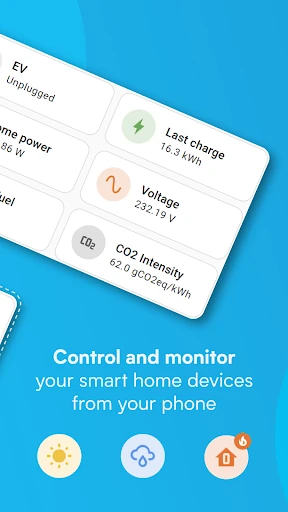
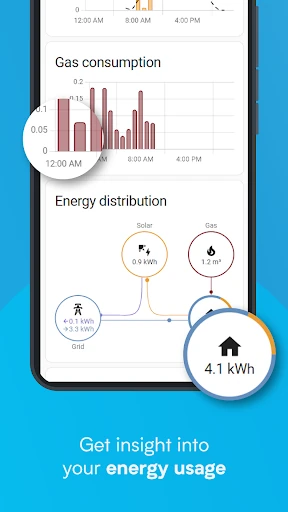
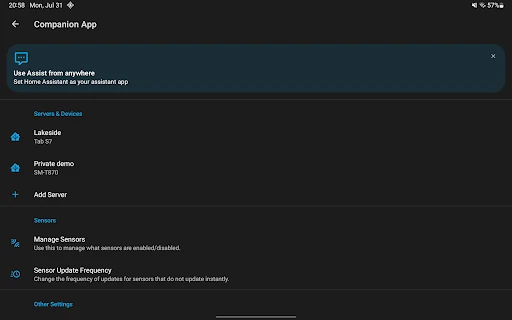
Home Assistant stands as the definitive power-user choice in the House & Home category, offering an unparalleled level of sovereignty over the smart home. Unlike proprietary ecosystems that lock users into cloud-dependent silos, Home Assistant prioritizes local control, privacy, and sustainability. As a central nervous system for the modern home, it bridges the gap between fragmented standards like Zigbee, Matter, and Z-Wave, while providing a mobile companion app that transforms a smartphone from a simple remote into a sophisticated data-gathering sensor. In an era where data privacy is often a secondary thought, Home Assistant reclaims the home’s data, ensuring that your habits and trends remain strictly within your local network.
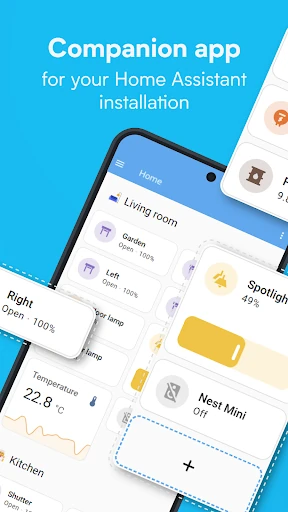
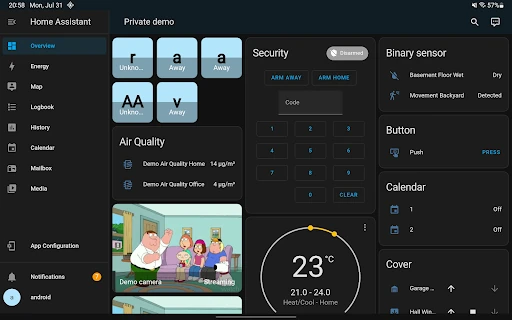
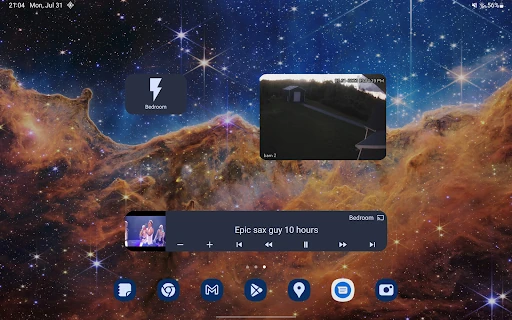
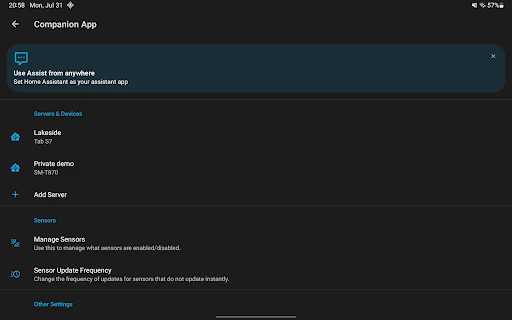
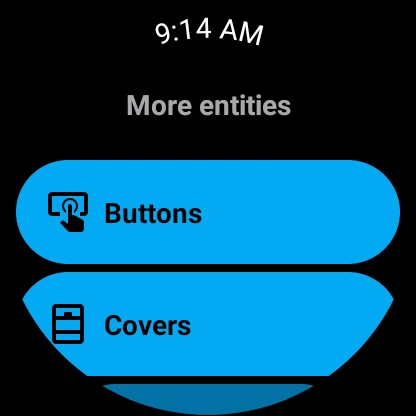
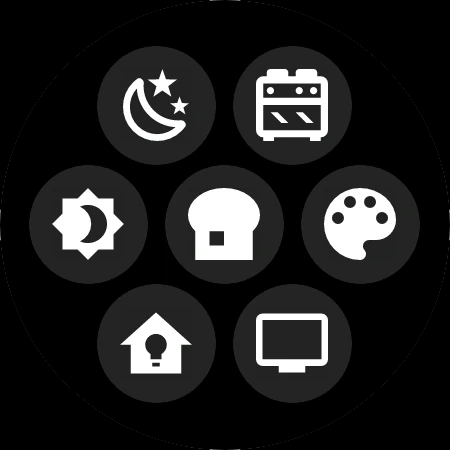
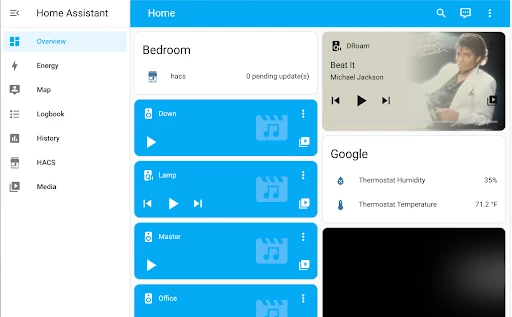
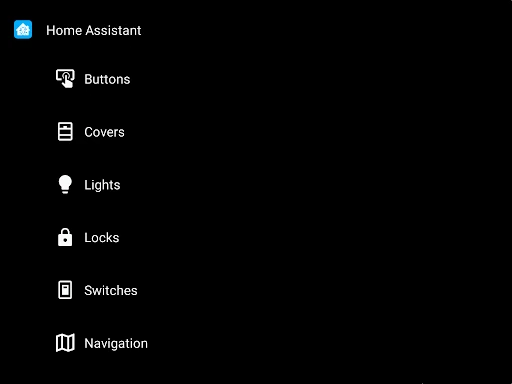
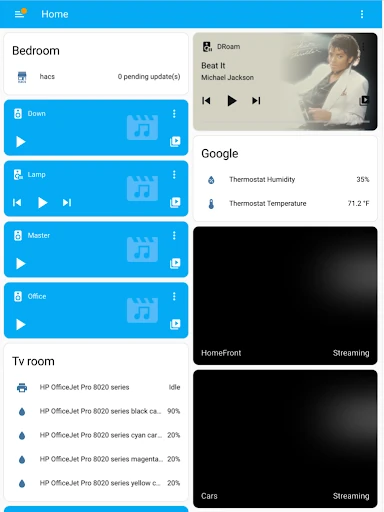
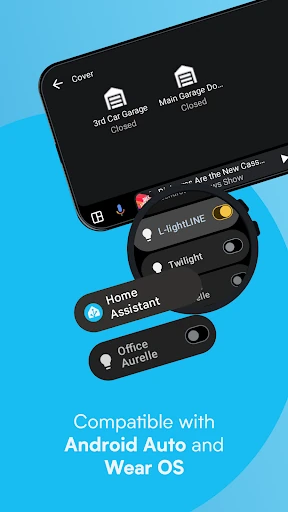
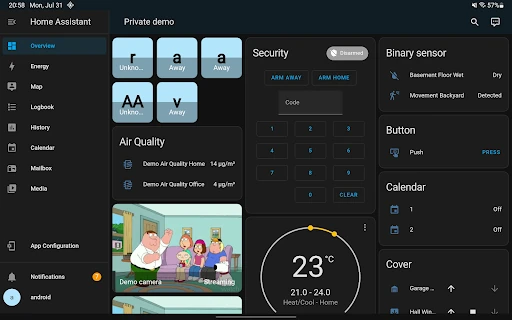
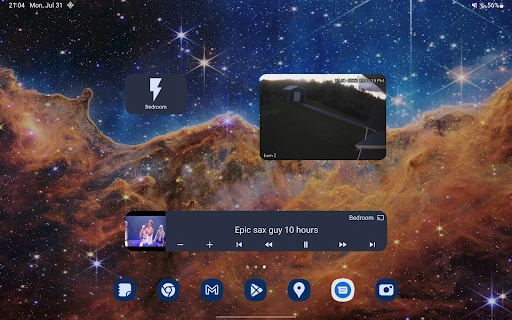
The Home Assistant UI is built on a philosophy of extreme customizability. While the default "Lovelace" interface is clean and functional, the true value lies in the user's ability to build bespoke dashboards using a card-based system. From a UX perspective, the app leans toward the "prosumer" end of the spectrum; it offers deep density of information which is excellent for monitoring complex systems but may present a steeper learning curve for casual users. The inclusion of home-screen widgets and Wear OS tiles significantly improves the "tap-to-action" speed, adhering to modern UI/UX standards for quick-access home control.
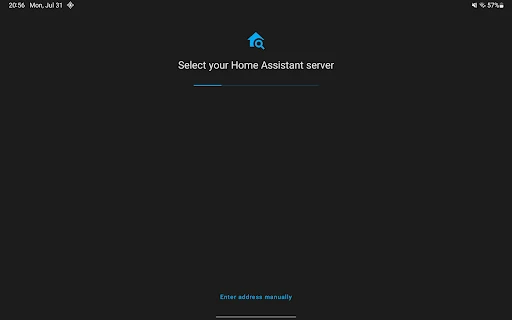
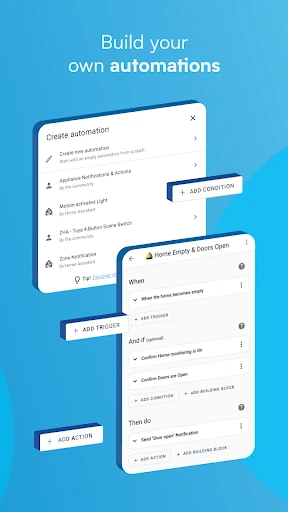
To further penetrate the mainstream House & Home market, the app could benefit from a more guided "onboarding wizard" for first-time users who may find the initial configuration daunting. Additionally, while the YAML-based configuration offers power, expanding the "Blueprints" library with more visual, drag-and-drop automation templates would make the app more accessible to users who are not comfortable with logic-based scripting.
Home Assistant is the ultimate tool for tech enthusiasts, privacy advocates, and anyone looking to escape the "walled gardens" of big-tech smart home platforms. It is ideally suited for users who want a "forever home" setup that remains functional regardless of cloud outages or company acquisitions. While it demands a more significant initial investment in time and hardware than its competitors, the payoff is a truly smart, private, and indestructible home automation environment. We highly recommend it for any user willing to trade a bit of simplicity for total control.