Advertisement
Click to download now, finish the installation quickly, and directly unlock the "all-round experience"
Advertisement
Screenshots
Click to download now, finish the installation quickly, and directly unlock the "all-round experience"
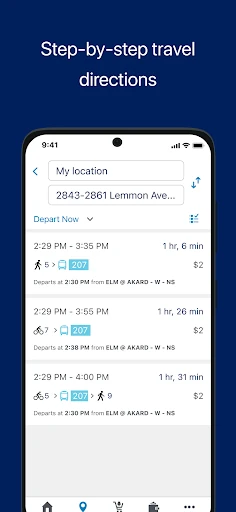
GoPass ® stands as a benchmark for regional transit consolidation within the Maps & Navigation sector. By unifying disparate transit agencies—including DART, Trinity Metro, and Tulsa Transit—into a single digital ecosystem, it effectively eliminates the friction of multi-jurisdictional travel. From an analyst's perspective, GoPass ® is not merely a ticketing tool; it is a comprehensive mobility-as-a-service (MaaS) platform that addresses the "last mile" problem through integrated trip planning and flexible payment architectures. It sets a high standard for municipal apps by prioritizing accessibility and inter-agency cooperation.
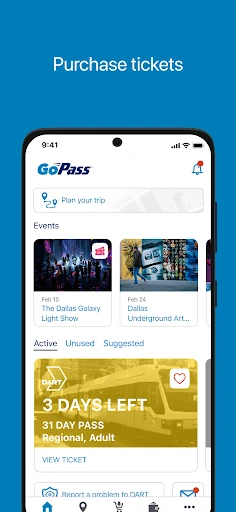
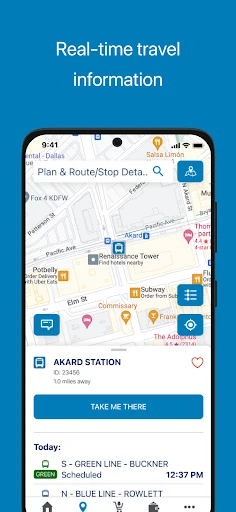
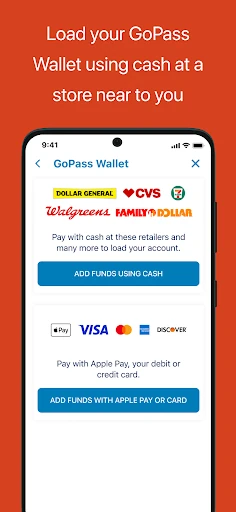
The UI of GoPass ® is built on a foundation of utility and high-contrast visibility, which is essential for users navigating busy transit hubs. The UX flow follows a logical progression: plan, pay, and ride. While the interface leans toward a utilitarian aesthetic, it successfully manages a high density of information without overwhelming the user. The integration of the digital wallet is seamless, and the "active ticket" screen is designed for quick visual verification by transit operators, demonstrating a deep understanding of the real-world environment in which the app is used.
To further elevate the user experience, the next update should consider the implementation of Home Screen widgets for immediate ticket access without opening the app. Additionally, incorporating an "Offline Mode" for saved routes would be a significant boon for users in areas with poor cellular reception, such as underground transit stations. Lastly, integrating predictive route suggestions based on time of day and historical user behavior could further reduce the manual input required for daily commutes.
GoPass ® is an indispensable tool for daily commuters, students, and tourists operating within the DART and Trinity Metro service areas. It successfully replaces the need for physical currency and complex paper schedules. For any resident of North Texas or the Tulsa area relying on public infrastructure, this app is a mandatory download. It is a premier example of how technology can simplify the complexities of urban mobility.