Advertisement
Click to download now, finish the installation quickly, and directly unlock the "all-round experience"
Advertisement
Screenshots
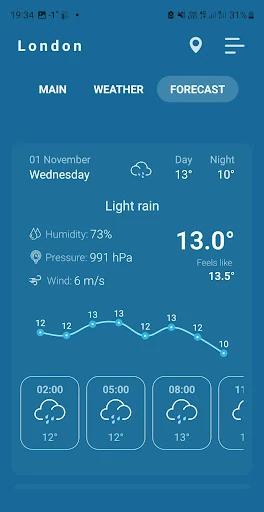
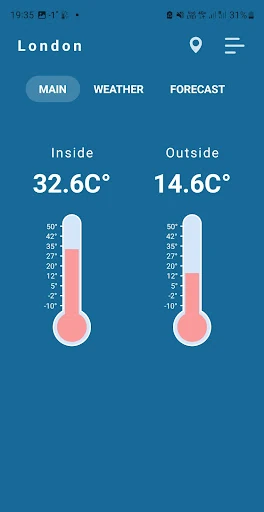
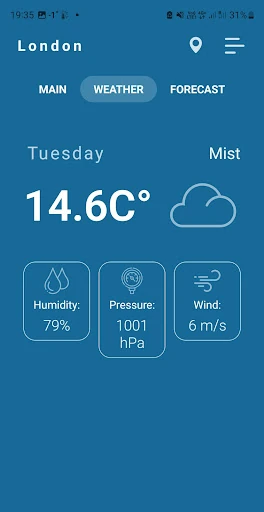
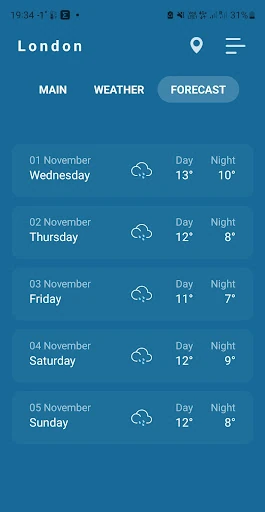
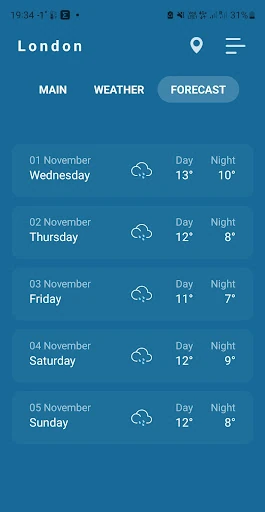
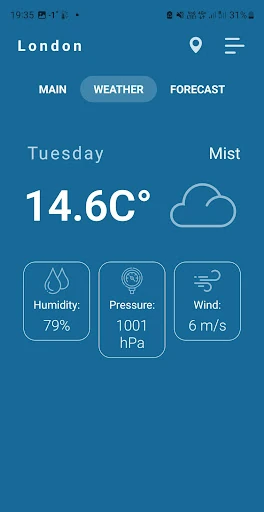
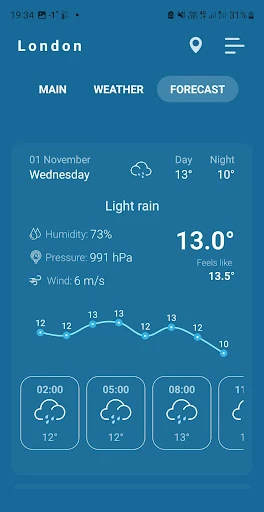
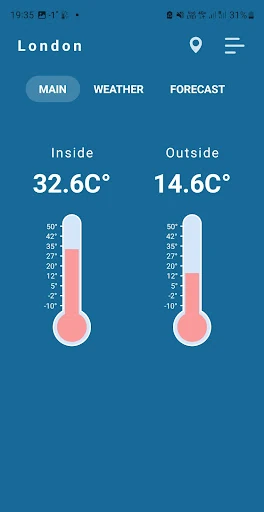
Click to download now, finish the installation quickly, and directly unlock the "all-round experience"
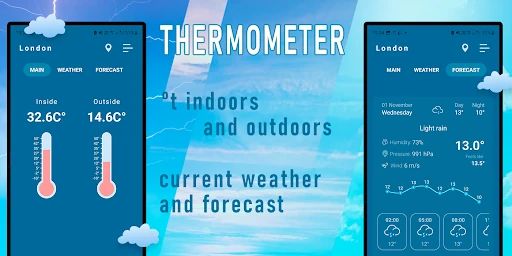
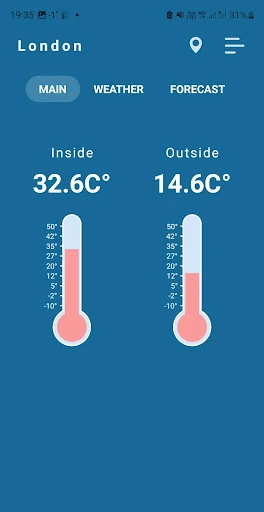
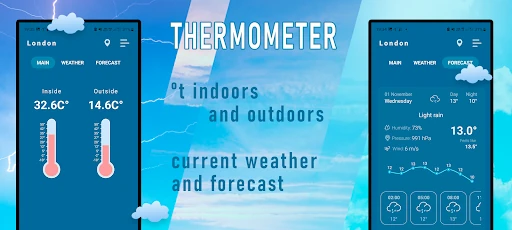
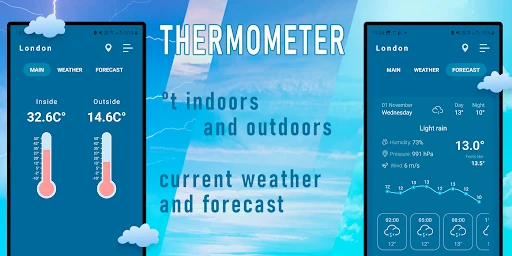
The Indoor thermometer application is a specialized utility that bridges the gap between digital meteorological forecasts and localized environmental monitoring. In a crowded weather landscape dominated by global prediction models, this app carves out a niche by focusing on the user's immediate physical space. It serves as a dual-purpose tool, delivering both traditional outdoor weather data and real-time indoor ambient readings. As a professional analyst, I find its reliance on internal hardware sensors to be a pragmatic approach for users who require immediate temperature checks without investing in dedicated smart home hardware.
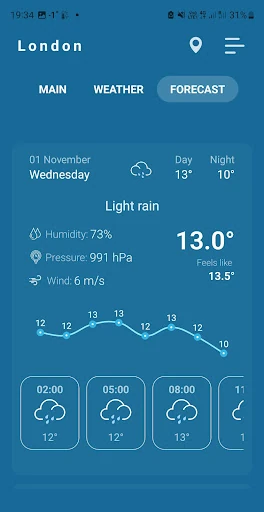
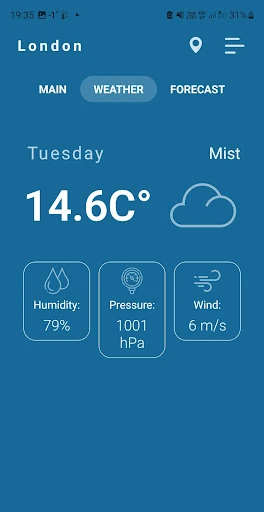
The interface of Indoor thermometer is built with a "data-first" philosophy common in the high-utility weather category. It avoids unnecessary clutter, focusing the user's attention on the primary temperature metrics. The UX journey is straightforward, though it necessitates specific permissions—network and location—to function. The inclusion of a mandatory calibration period (5-10 minutes of idle time) is a unique UX constraint; however, the app manages this by being transparent with the user about why this delay is necessary for accurate results.
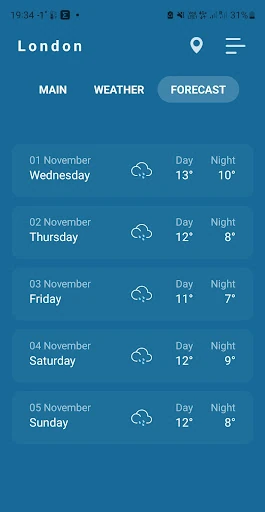
To further enhance the user experience, the developers should consider adding a "thermal cooldown" timer or notification system. This would alert the user exactly when the device has reached an optimal state for a reading. Additionally, integrating a historical log or a simple line graph would allow users to track temperature fluctuations over several hours, providing more value for those monitoring nurseries or server rooms.
Indoor thermometer is a practical tool designed for users who need quick, localized climate data without the fuss of external equipment. It is particularly well-suited for parents monitoring room safety, travelers, or enthusiasts tracking HVAC performance. While the hardware-based limitations require a bit of patience for the most accurate results, the app remains a top recommendation for its honesty and utility in the Weather category.