
Advertisement
Click to download now, finish the installation quickly, and directly unlock the "all-round experience"
Advertisement
Screenshots



Click to download now, finish the installation quickly, and directly unlock the "all-round experience"
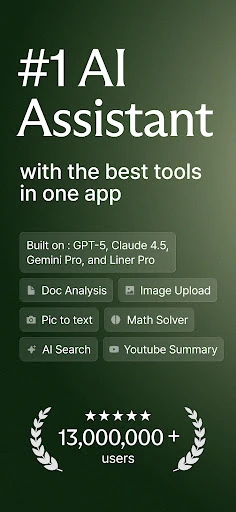
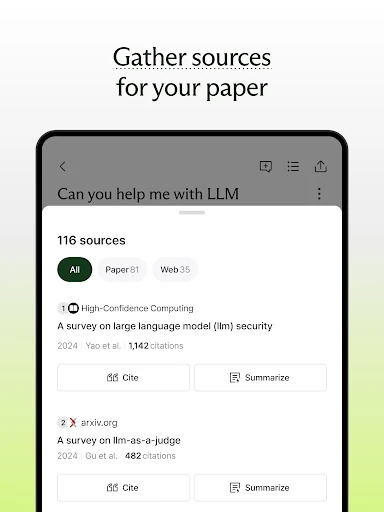
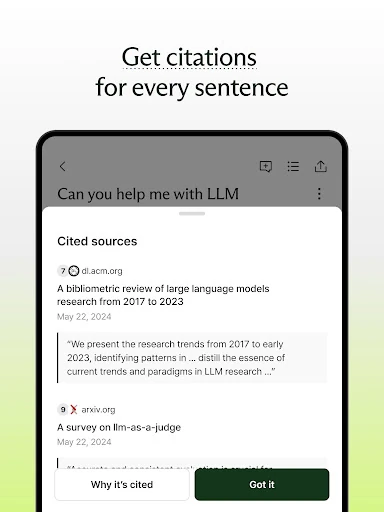
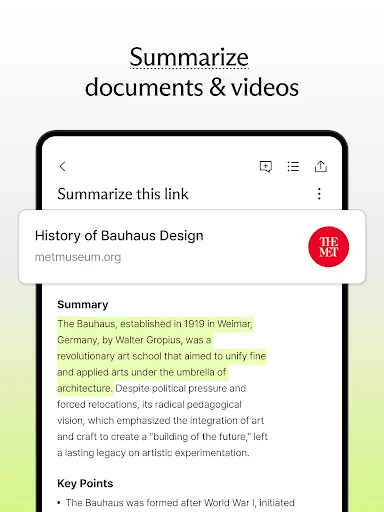
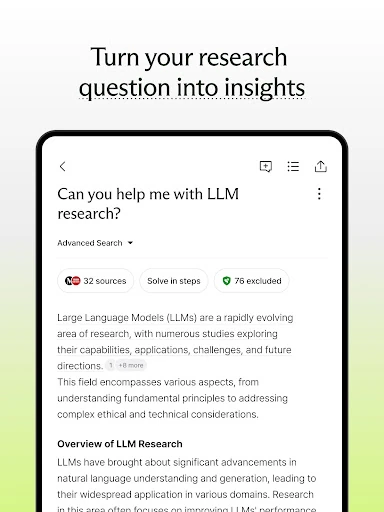
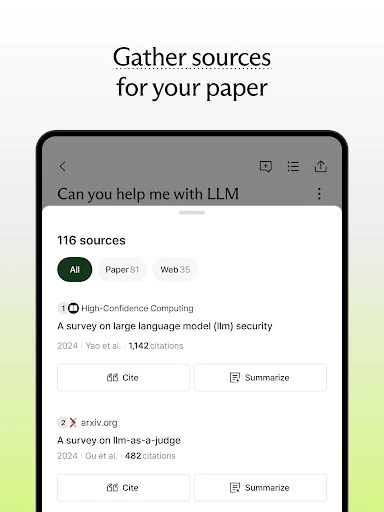
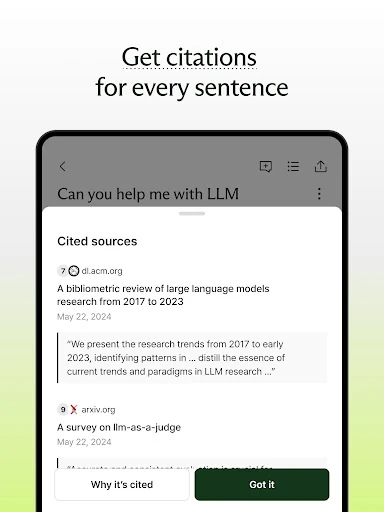
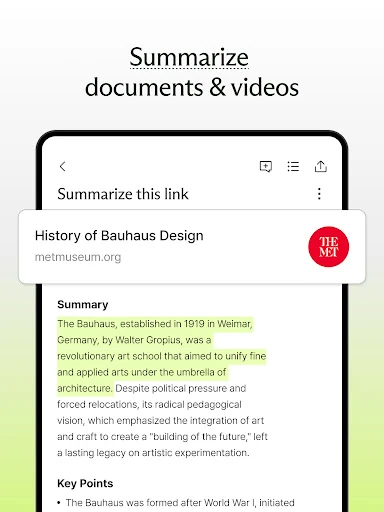
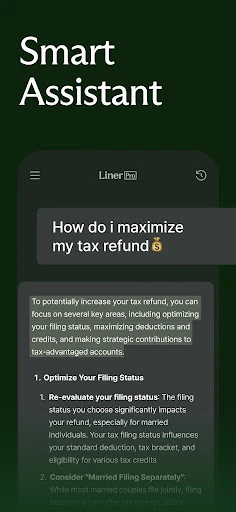
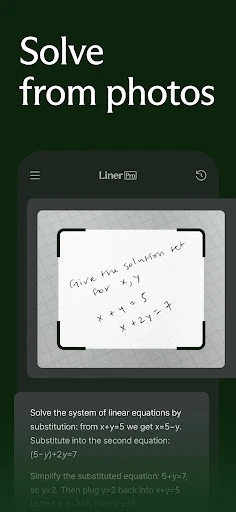
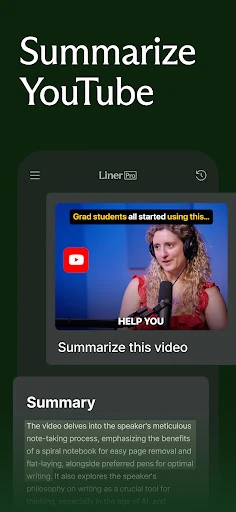
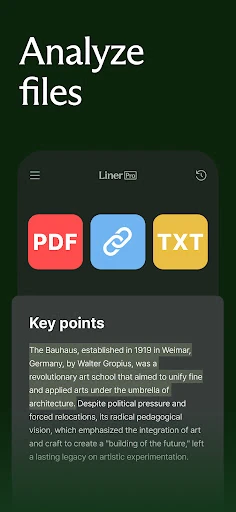
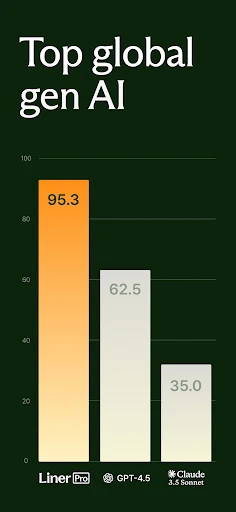
Liner: AI search assistant is a sophisticated entry in the Productivity landscape that successfully pivots the generative AI conversation from creative generation to factual utility. By integrating top-tier models like GPT-4, Gemini, and Claude, Liner positions itself as a centralized intelligence hub. Its primary value proposition lies in its high accuracy rating—evidenced by its 95.3% SimpleQA benchmark score—and its commitment to source-backed responses. For users tired of the "hallucinations" common in standard LLMs, Liner offers a reliable, research-oriented alternative that streamlines information retrieval across text, video, and physical documents.
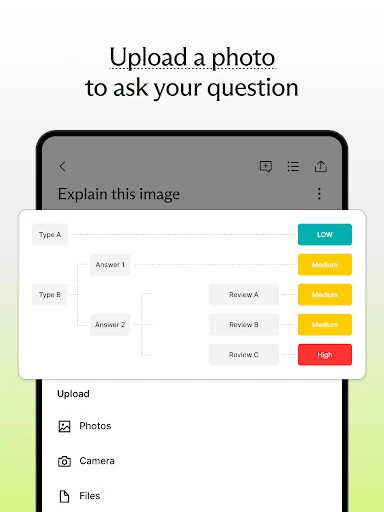
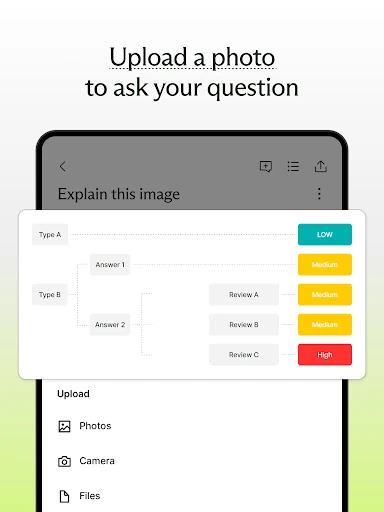
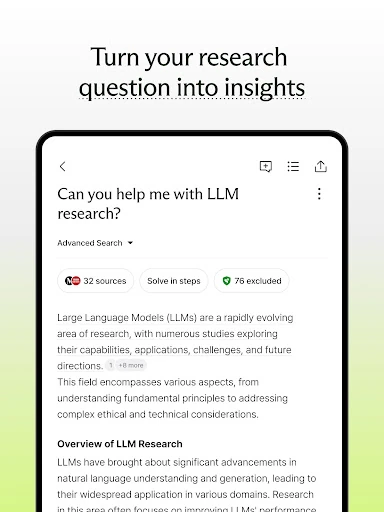
The interface of Liner is built with a "research-first" mindset, emphasizing a clean, distraction-free environment that prioritizes content over flair. The workflow is highly intuitive, transitioning smoothly between text input, camera usage, and file uploads. In a category where information density can often lead to UI clutter, Liner maintains a structured hierarchy that makes deep research feel manageable. The cross-device synchronization is a critical design choice, ensuring that a search started on a mobile device can be seamlessly continued within a professional desktop workflow.
While Liner excels at data retrieval, the next evolution should focus on deeper integration with third-party productivity suites (like Notion or Google Workspace) to export analyzed data more efficiently. Additionally, while the "GPT-5" claim in their marketing points toward future-proofing, providing more transparency on which specific model is currently handling a query would further empower "power users" who prefer one architecture over another for specific tasks.
Liner: AI search assistant is an essential tool for students, researchers, and professionals who cannot afford the risks of AI misinformation. It moves beyond the novelty of AI chat to provide a genuine utility for data synthesis and verification. If you require a tool that functions less like a creative toy and more like a high-level research assistant, Liner is a top-tier recommendation in the current productivity market.